nail infections
nail infections
Nail infections are a common condition that can affect both fingernails and toenails. While they often start as a cosmetic concern, they can become uncomfortable or persistent if left untreated.
Nail infections occur when fungi, bacteria or yeast enter the nail or surrounding skin. The most common type is a fungal nail infection, which typically affects toenails more than fingernails.
These infections can develop slowly and may initially go unnoticed, but over time they can change the appearance and strength of the nail.
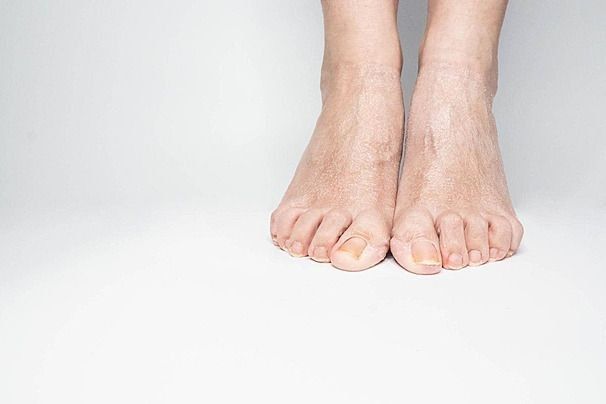
Signs to look out for
Nail infections can present in a variety of ways. Common signs include:
thickened or distorted nails
discolouration (yellow, white or brown)
brittle, crumbly or ragged edges
separation of the nail from the nail bed
mild discomfort or pressure in more advanced cases
Because nail infections tend to progress gradually, early recognition is key to preventing further damage.
Common causes
exposure to fungal environments: Public places: showers, swimming pools, locker rooms
nail damage: Cracked or injured nails are entry point for infection
poor foot hygiene
tight footwear: Shoes without adequate ventilation create a warm, moist environment
weakened immune system: Individuals with weakened immune systems or underlying medical conditions are more susceptible to infections
age: Older adults are more prone to nail fungus due to reduced blood circulation and slower nail growth
Keeping your nails clean and dry, using protective footwear in public spaces, trimming nails straight across and wearing breathable footwear can significantly reduce the risk of infection.
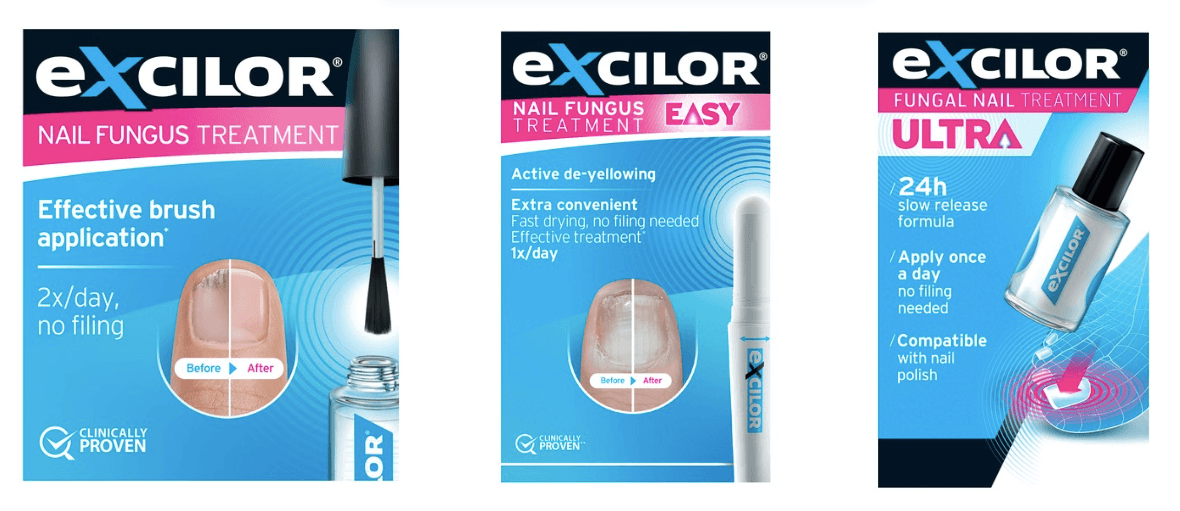
Excilor
The Excilor range is specifically designed to treat fungal nail infections in a convenient and targeted way.
The most important part of the toe and fingernails is keratin, which most anti-fungal preparations are unable to penetrate.
Excilor is able to penetrate the nail, so the nail is treated from the inside out. Excilor controls the microenvironment of the nail by acidifying the nail bed and rapidly lowers the pH of the nail, creating an environment that is hostile to fungal growth.
The existing damaged nail then needs to grow out. On average, a nail grows 1.5mm a month. Treatment takes a few months before an affected nail looks completely healthy again.
Excilor Solution 3.3ml effectively treats nail fungus. However, this contains a lower percentage of the active ingredient at 1% acetic acid, so results are slower and application is twice daily.
Whereas, the 30ml ULTRA option has a stronger active percentage at 3% acetic acid and is only needed to be applied once daily. The changes are seen faster, with less application.
Excilor Easy Pen 4ml offers a different format option with easy application and an extra strong de-yellowing effective 24 hour acidification. Like the Ultra, it has a stronger active percentage at 3% acetic acid and is only needed to be applied once daily.
Always read the label and follow instructions. If symptoms persist see your healthcare professional.

Contact Info
91 Kahikatea Drive Hamilton 3206
07 834 4266
retail@southcitypharmacy.co.nz
prescriptions@southcitypharmacy.co.nz
office@southcitypharmacy.co.nz